The difference between soggy homemade fried rice and the crispy restaurant version comes down to two things: dry rice and a hot wok. Most people skip both.
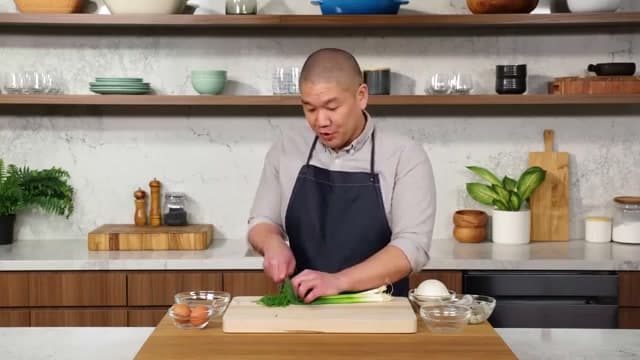
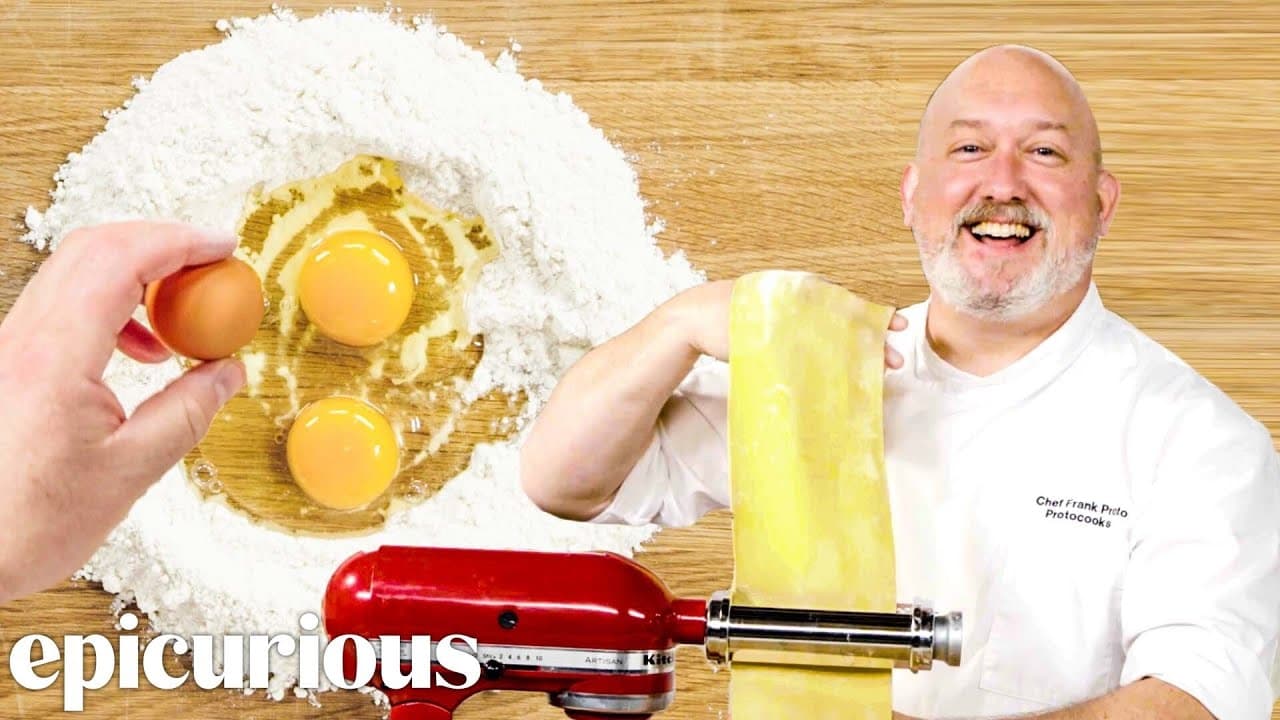
Chef Taka from Epicurious walks through the professional approach. He dries the rice overnight, cooks every ingredient separately to control temperature, and uses the full surface area of the wok to fry each grain individually. The result tastes like takeout but better.
Frequently asked questions
Why does my fried rice come out mushy?
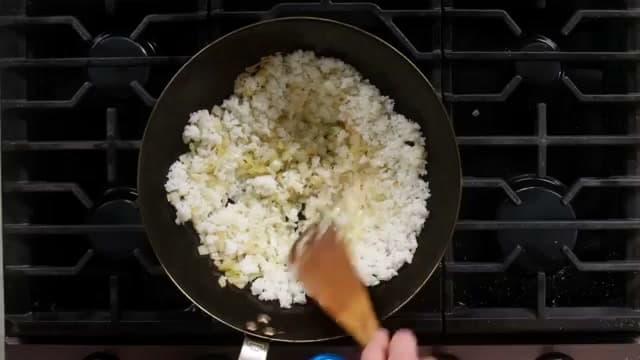
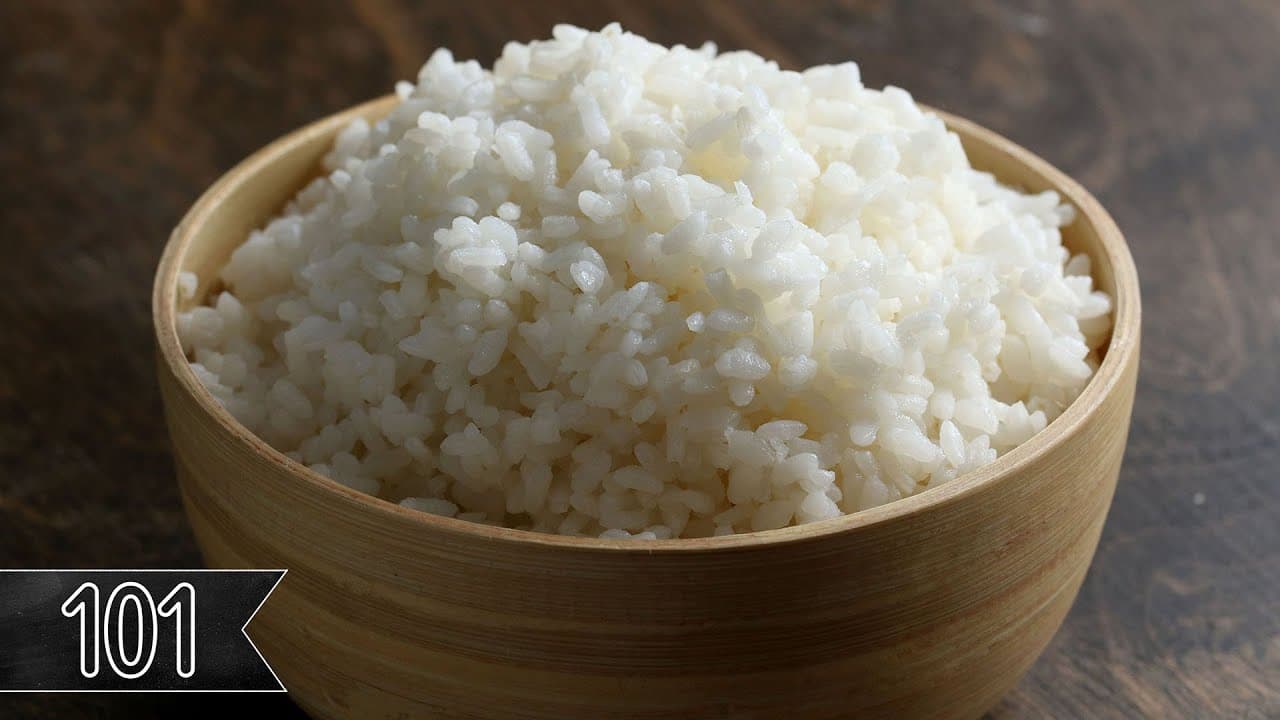
Almost always too much moisture and not enough heat. Fresh rice still holds water, and a crowded or cool pan steams the grains instead of frying them. Dry the rice out uncovered in the fridge overnight and cook in a thin layer so every grain touches hot metal.
Can you make fried rice with freshly cooked rice?
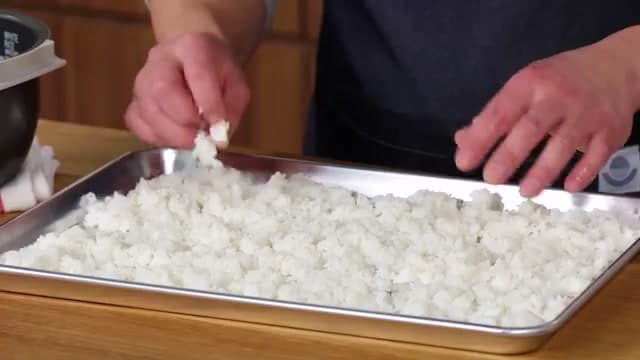
You can, but it will not crisp the same way. If you have no day-old rice, spread the fresh batch on a sheet tray and let it cool uncovered for an hour so the surface dries. The drier the outside of each grain, the closer you get.
Why cook the eggs and shrimp separately?
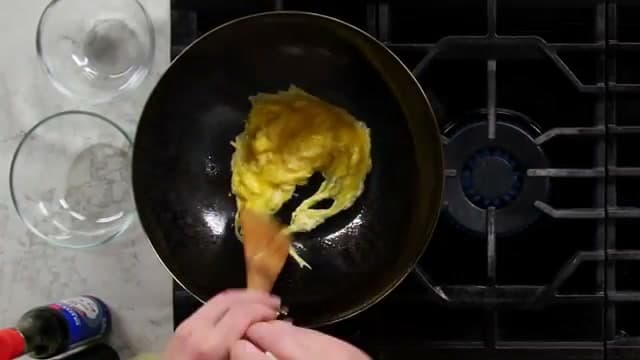
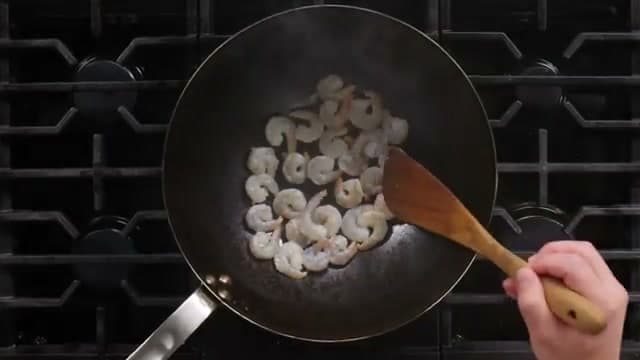
They need far less heat and time than the rice does. Cooking each one on its own and pulling it early means nothing overcooks while the rice gets the blast of heat it needs, and everything finishes together at the end.
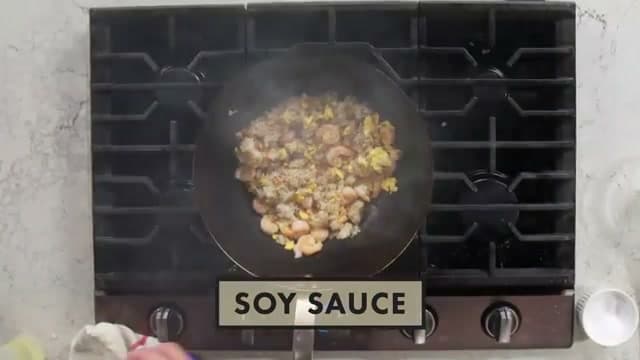
Why pour soy sauce around the edge of the wok instead of on the rice?
Hitting the hot metal caramelizes the sauce for a second before it reaches the grains, which builds aroma. Poured straight onto the rice it just soaks in, and you end up with salty, damp rice instead.
Do you need a wok to make good fried rice?
No, but you do need surface area and high heat. A wide carbon steel or cast iron skillet works if you cook in smaller batches. What kills fried rice is overloading the pan, whatever shape it is.