Rice cookers solve the one thing that goes wrong with rice on the stovetop: forgetting about it. The cooker handles temperature, timing, and shutoff. You measure the rice, add the water, press a button, and walk away. Twenty-five minutes later you have fluffy, separate grains, every time.
The whole method comes down to a few decisions. Use the cup that came with the rice cooker for measuring (it's smaller than a US measuring cup, and the bowl's water-line marks are calibrated to it). Use a 1:1 ratio for short-grain white rice, 1:1.5 for long-grain, 1:2 for brown rice. Press the matching button (white, brown, or quick) and let the cooker run.
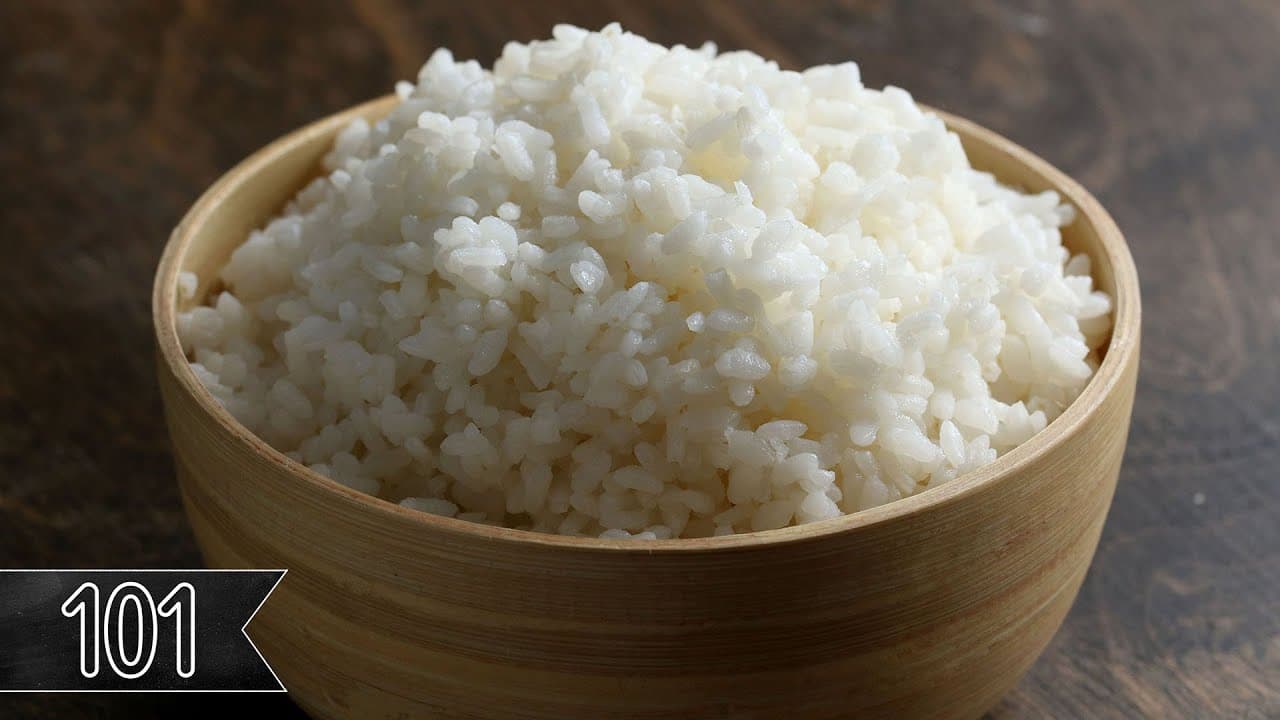
Tu Ngo walks through the basic version with short-grain white rice and a 1:1 ratio. The full process from measurement to fluffing takes about 30 to 35 minutes for a standard 3-cup batch. Brown rice needs 45 to 60 minutes. Once you understand the ratios, the rice cooker handles everything else.
Variations by rice type
Short-grain white rice (sushi rice, Japanese rice, Calrose). Use a 1:1 ratio of rice to water (one cooker cup of rice to one cooker cup of water). Cooks in about 25 minutes on the white-rice setting. The grains stick slightly together when done, which is what you want for sushi or bowls.
For finished sushi rice, mix 2 tablespoons rice vinegar + 1 tablespoon sugar + 1 teaspoon salt into 2 cooker cups of just-cooked rice while it's still hot. Fold gently with a wooden paddle until the rice cools to room temperature. This is what makes homemade sushi rolls taste like the restaurant version.
Long-grain white rice (jasmine, basmati). Use 1:1.25 to 1:1.5 rice to water. Jasmine takes 1:1.25 (it's a softer grain); basmati takes 1:1.5 (the grains stay firmer and longer). Same white-rice button as short-grain. Don't rinse basmati unless you're going for the fully-separated, fluffy look; rinsing removes some of the starch that helps the grains hold together.
Brown rice. Use a 1:2 ratio and the brown-rice setting if your cooker has one. Brown rice takes 45 to 60 minutes because the bran layer slows water absorption. Without a dedicated brown setting, soak the rice for 30 minutes first, then use the white-rice setting and add 5-10 minutes at the end on warm.
Wild rice or rice blends. Use the ratio printed on the bag (typically 1:2.5 to 1:3 for pure wild rice; 1:2 for blends). Wild rice has tough hulls that need longer cooking. Most rice cookers don't have a wild-rice setting, so use the brown-rice setting and add 5-10 minutes if the grains haven't split open.
Adding flavor (broth, salt, oil). Substitute chicken or vegetable broth for the water 1:1. Add up to 1/2 teaspoon of salt per cup of rice and 1 teaspoon of oil if you want individually-coated grains. Skip butter; it foams over and clogs the cooker's steam vent.
Common questions about rice cookers
Six questions we get most often about ratios, rinsing, and what to do when the cooker doesn't give you the rice you wanted.
How much water do I add for 2 cups of rice in a rice cooker?
Depends on the rice type. For short-grain white: 2 cups water. For long-grain white (jasmine, basmati): 2.5 to 3 cups water. For brown rice: 4 cups water. Always use the cup that came with the rice cooker, not a US measuring cup. The cooker cup is about 3/4 the size of a standard 8-oz measure, and the bowl's water-line marks are calibrated to it.
Should I rinse the rice first?
For most white rice, yes. Rinsing removes surface starch that makes the cooked grains stick together and turn gummy. Run cold water over the rice in the bowl for 30 seconds, swish with your hand, drain, repeat 2-3 times until the water mostly clears. Skip rinsing for basmati if you want the grains to hold together (some of the surface starch is what gives basmati its texture), and never rinse parboiled or converted rice (the starch coating is the point).
Why is my rice gummy or mushy in the rice cooker?
Usually too much water, less commonly the wrong rice setting. Drop the water by 1/4 cup next time and recheck. If the rice is mushy on top but firm on the bottom, the bowl wasn't level when the cooker ran, or the rice wasn't spread evenly before starting. Level the rice with the back of a spoon before closing the lid.
Why does my rice stick to the bottom of the rice cooker?
That bottom crust is normal and is actually prized in some cuisines (called nurungji in Korean or okoge in Japanese). To prevent it, switch the cooker to keep-warm immediately when it beeps - the longer it sits on warm with the rice undisturbed, the more crust forms. Fluff the rice within 5 minutes of the beep to redistribute moisture and prevent sticking.
How long does rice take in a rice cooker?
White rice: 25 to 35 minutes from start to keep-warm. Brown rice: 45 to 60 minutes. Quick-cook setting (white rice only on most models): 18 to 22 minutes - useful but the grains are slightly less fluffy. Most cookers also need 5 to 10 additional minutes on keep-warm with the lid closed before fluffing for the best texture.
Can I cook other grains in a rice cooker?
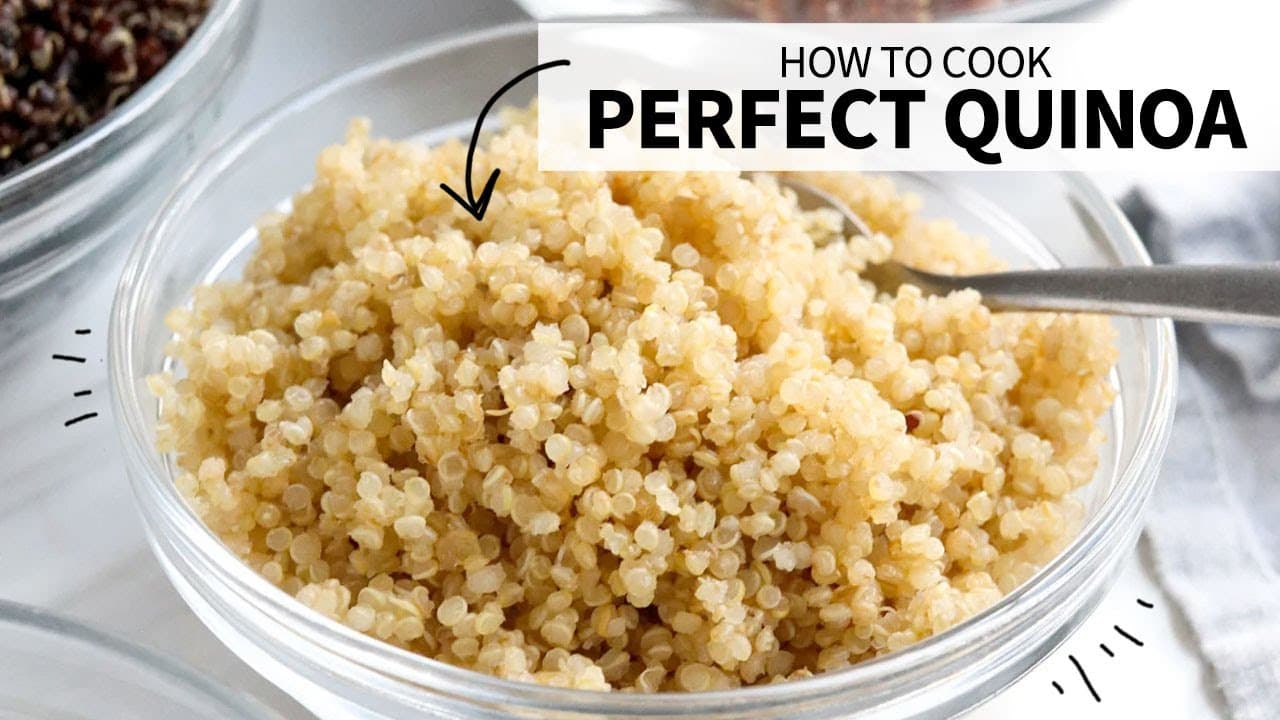
Yes, with adjustments. Quinoa: 1:2 quinoa to water, white-rice setting, about 20 minutes. Oats: 1:2 oats to water for steel-cut (1:1 for rolled), brown-rice setting if you have one. Couscous: pour boiling water over couscous 1:1, close the lid, no heat needed - the cooker is just being a covered bowl in that case. Don't try to cook lentils or beans - they expand more than rice and can overflow the bowl.