How to Clean a Cast Iron Skillet

By ShowMeStepByStepPublished Updated

Based on a video by Cowboy Kent Rollins.

Step-by-Step Guide

1

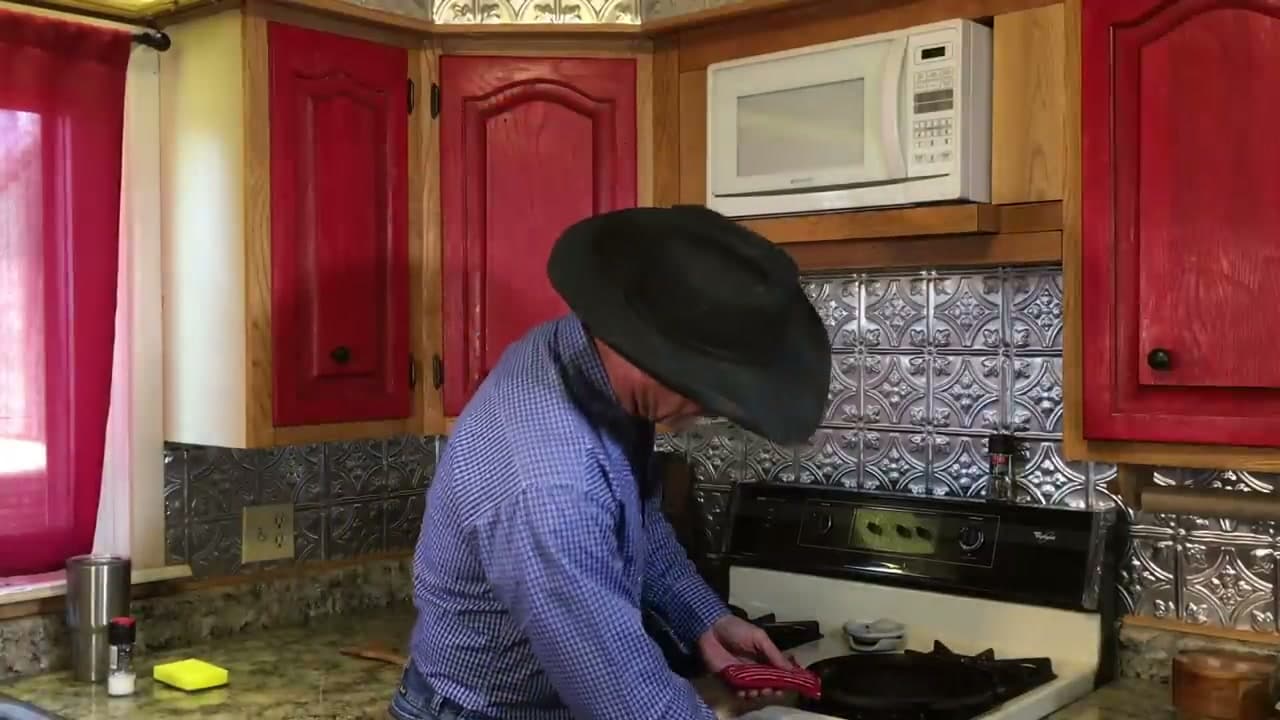
Step 1: Heat the Empty Skillet

0:30
Step 1: Step 1: Heat the Empty Skillet

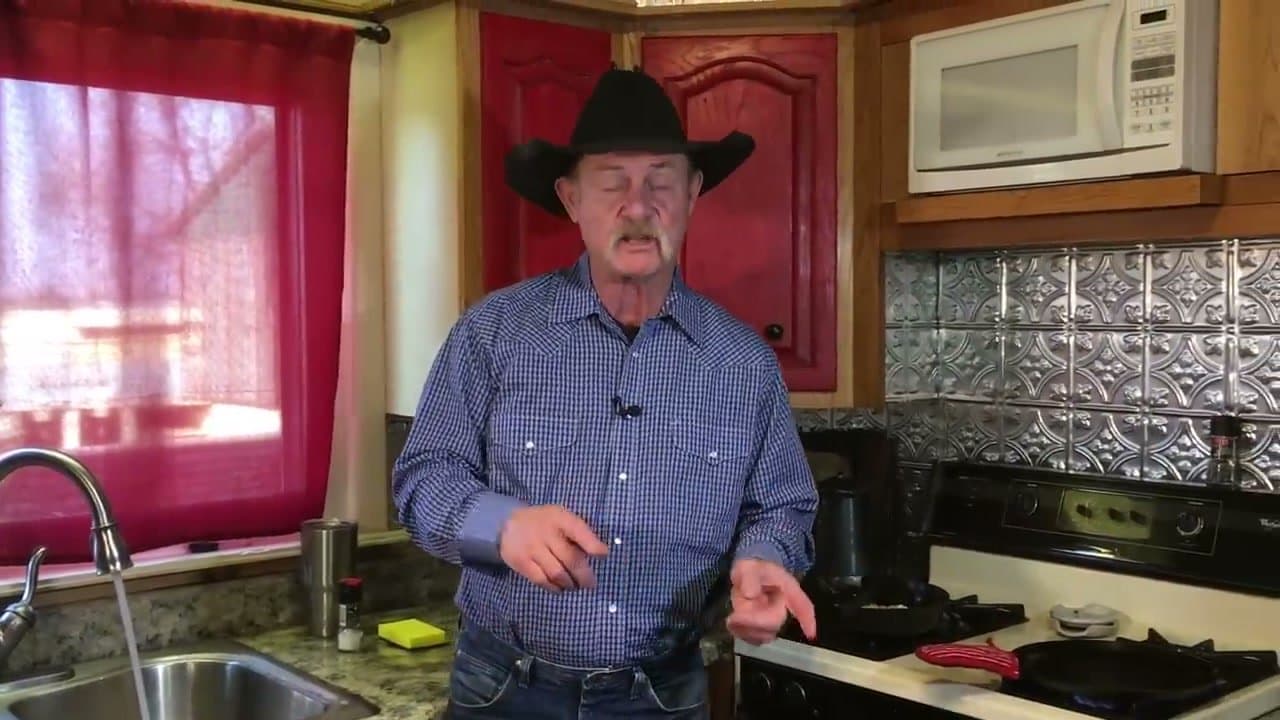
Put the cast iron pan on the stove over medium heat. The iron has to be hot before any water touches it. Cold water on hot iron will crack the pan, and warm water on cool iron just leaves you with a wet skillet.

Let it heat for a couple of minutes - you'll see a wisp of smoke when it's ready.
2

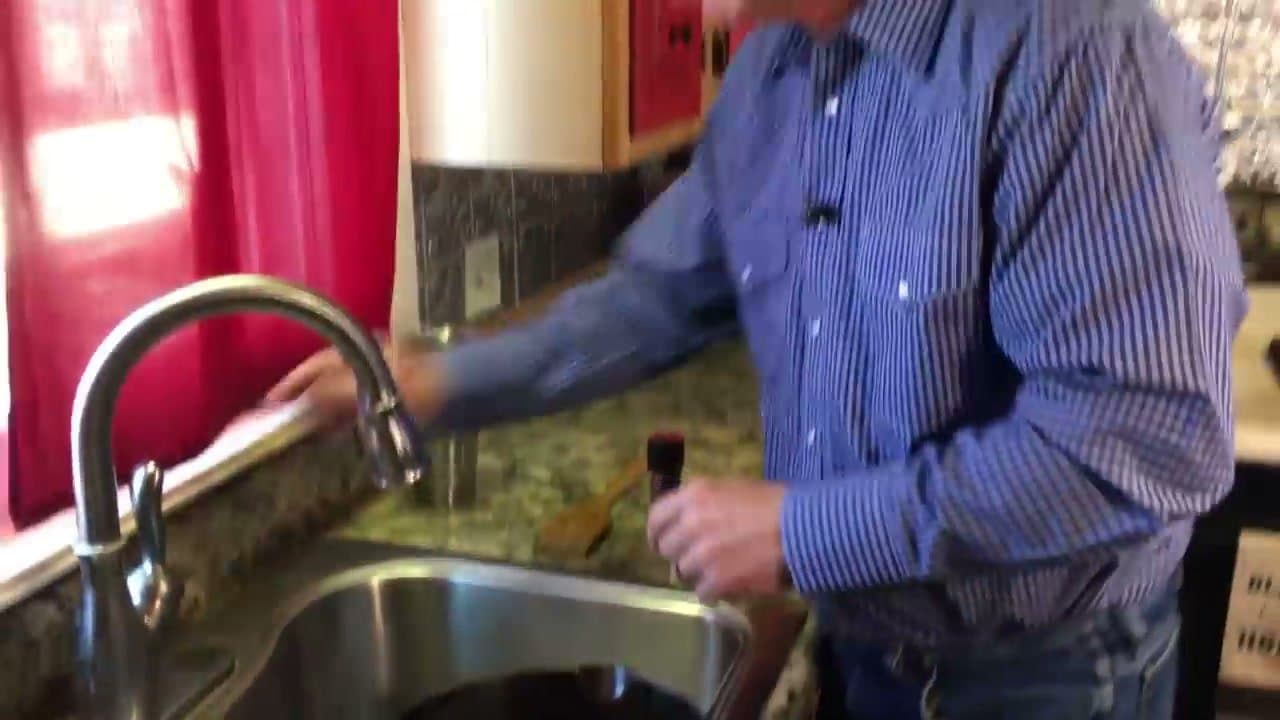
Step 2: Run the Tap Until It's Hot

1:05
Step 2: Step 2: Run the Tap Until It's Hot

While the pan heats up, turn the kitchen tap to full hot and let it run. You want water hot enough that it would burn your finger if you touched it.

Hot water on hot iron is the rule. The temperature match is what creates the steam that does the cleaning, and it's also what keeps the pan from cracking.

3

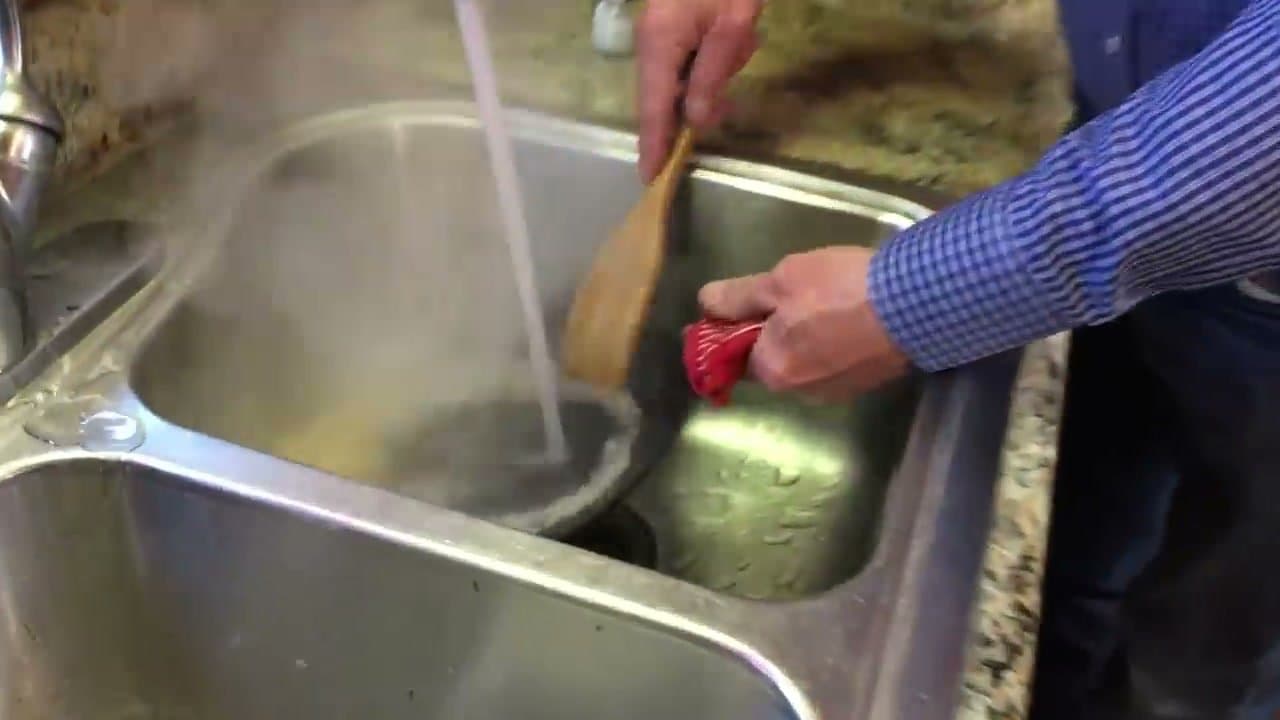
Step 3: Pour the Hot Water Into the Hot Pan

1:40
Step 3: Step 3: Pour the Hot Water Into the Hot Pan

Carry the hot pan to the sink (use an oven mitt) and pour the hot water in. Stand back - it'll steam aggressively for a few seconds.

That steam is the whole secret. It loosens stuck-on food without you scrubbing, which means you don't strip the seasoning.

Tip

Keep your face out of the steam path. The first burst comes off fast.

4

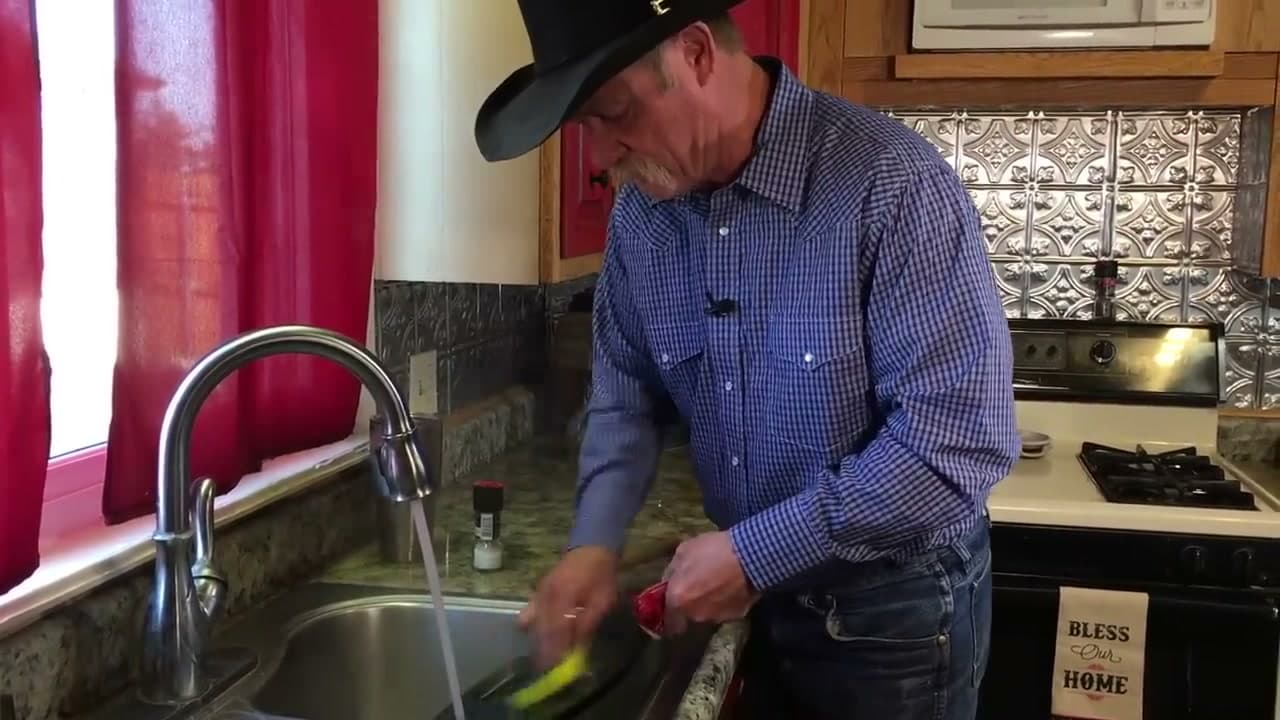
Step 4: Scrape With a Soft Sponge or Rubber Spatula

1:53
Step 4: Step 4: Scrape With a Soft Sponge or Rubber Spatula

Once the steam dies down, use the soft side of a sponge or a rubber spatula to push the food off the surface. After the steam has done its work, most of it lifts off with almost no pressure.

Skip the metal scrubber and the rough side of the sponge. Both will strip the seasoning you've worked to build up.

5

Step 5: Salt Scrub for Stubborn Stuck-On Food

2:55
Step 5: Step 5: Salt Scrub for Stubborn Stuck-On Food

If something is really baked on - burnt eggs, cooked-down gravy, that kind of mess - the steam method might leave a residue. Sprinkle a generous layer of coarse kosher salt over the cooking surface, add just a splash of water, and scrub with the soft side of a sponge.

The salt is abrasive enough to lift burnt-on food but won't scratch the seasoning. The little bit of water is what dissolves and moves the salt around. Rinse the salt out when you're done.

Tip

Don't use fine table salt - the grains are too small to get any abrasive action.

6

Step 6: Dry, Re-Oil, and Re-Season

4:30
Step 6: Step 6: Dry, Re-Oil, and Re-Season

Wipe the pan dry with a rag, then put it back on the burner over medium heat for a minute or two to drive off any moisture you missed. Water trapped in the pan is what makes cast iron rust.

While the pan is still warm, drop a few drops of olive oil onto the surface and rub it in with a paper towel or rag - bottom, sides, everywhere. Buff off the excess so the pan is barely shiny, not slick.

Re-season every single time you cook with it. Not once a week. Not when you remember. Every time. That's how the non-stick surface builds up over years.

Tip

Olive oil and flaxseed oil are the two go-tos. Avoid butter or vegetable oils that go rancid.

Products Used

❖ The Recipe

How to Clean a Cast Iron Skillet

Serves
Cleans 1 skillet
Prep
2 min
Cook
8 min
Total
10 min

Ingredients

6 items
  • 1, post-cookcast iron skillet
  • 1-2 cupshot watermust be tap-hot, never cold on hot iron
  • 2 tablespoonscoarse kosher saltfor the stuck-on-food scrub method
  • 1 teaspoonolive oilor flaxseed oil for re-seasoning
  • 1yellow sponge with a soft side
  • as neededlint-free rag or paper towels

Method

  1. 1
    Step 1: Heat the Empty Skillet. Put the cast iron pan on the stove over medium heat.
  2. 2
    Step 2: Run the Tap Until It's Hot. While the pan heats up, turn the kitchen tap to full hot and let it run.
  3. 3
    Step 3: Pour the Hot Water Into the Hot Pan. Carry the hot pan to the sink (use an oven mitt) and pour the hot water in.
  4. 4
    Step 4: Scrape With a Soft Sponge or Rubber Spatula. Once the steam dies down, use the soft side of a sponge or a rubber spatula to push the food off the surface.
  5. 5
    Step 5: Salt Scrub for Stubborn Stuck-On Food. If something is really baked on - burnt eggs, cooked-down gravy, that kind of mess - the steam method might leave a residue.
  6. 6
    Step 6: Dry, Re-Oil, and Re-Season. Wipe the pan dry with a rag, then put it back on the burner over medium heat for a minute or two to drive off any moisture you missed.
☐ The Checklist

How to Clean a Cast Iron Skillet

Tools
5
Materials
3
Steps
6
Video
6 min

Your Guide

Cowboy Kent Rollins

As an Amazon Associate we earn from qualifying purchases. Links on this page may be affiliate links - clicking them and buying doesn't change your price, but helps support ShowMeStepByStep.

Tags

Test your knowledge

Did the lesson stick? Find out in 2 minutes.

5 quick questions covering what you just read. No signup, no score saved — just a gut check.

Quick reference

Key takeaways from How to Clean a Cast Iron Skillet

5 questions, answers, and one-line explanations. Tap to expand.

  1. 1.Why heat the empty pan first?

    Answer: Cold water cracks iron

    Hot water on hot iron. Cold water on hot iron will crack the pan. Warm-on-cool just leaves you with a wet skillet.

  2. 2.What does the steam-method secret do?

    Answer: Lifts food, saves seasoning

    Hot water hits hot pan, creates aggressive steam, food lifts off without scrubbing. Saves seasoning you've built up.

  3. 3.Right tool for the scrub?

    Answer: Soft sponge side

    Soft sponge side or rubber spatula. Metal scrubbers and rough sides strip the seasoning you've worked to build.

  4. 4.Stubborn burnt-on food - what abrasive works?

    Answer: Coarse kosher salt

    Coarse kosher salt + splash water + soft sponge. Table salt grains are too small for any abrasive action.

  5. 5.How often should you re-season after cooking?

    Answer: Every single time

    Every time you cook. That's how the non-stick surface builds up over years. Few drops oil, buff off excess.

What's next

Related collections

Curated theme pages that include this tutorial.

Weekly Digest

Liked this cooking tutorial?

Pick the categories you want to hear about. Weekly digest of new step-by-step tutorials. No spam, easy unsubscribe.

Send me tutorials about

We only email about new tutorials. Easy unsubscribe anytime.